
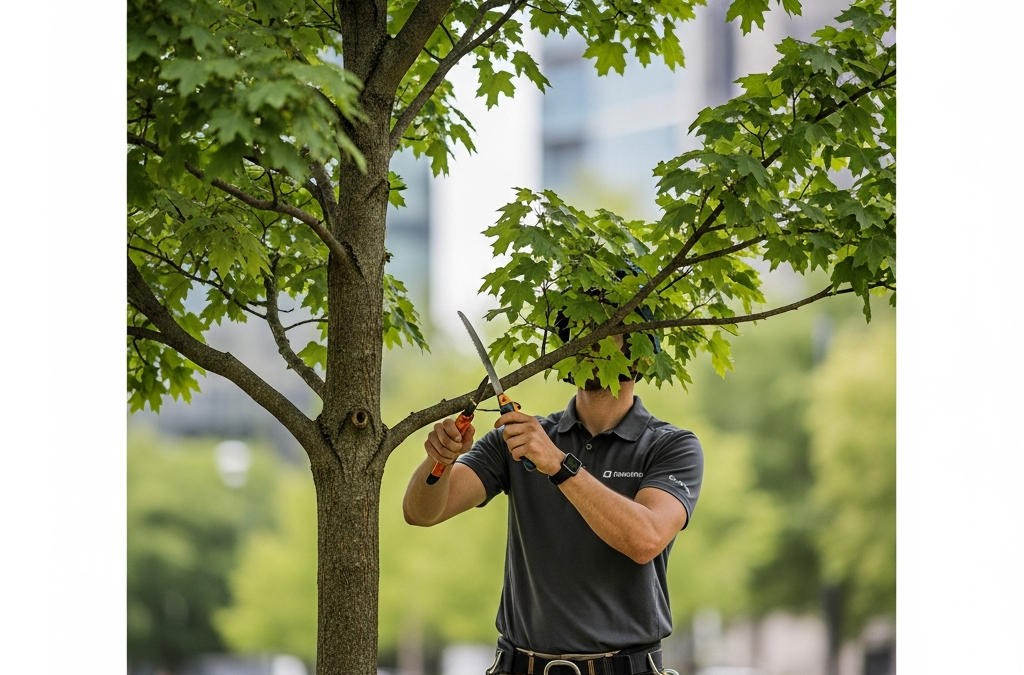
How Often Should You Maintain Your Trees?
Maintaining your trees isn’t just about aesthetics; it’s crucial for their health, longevity, and your property’s safety. While there isn’t a one-size-fits-all answer to how often trees need attention, understanding the key factors and common practices can help you establish an optimal schedule. Regular, proactive care can prevent costly problems down the line and ensure your trees thrive.
Key Factors Influencing Tree Maintenance Frequency
The exact timing and type of maintenance hinge on several variables:
- Tree Species: Fast-growing trees (e.g., Silver Maple, Willow) may require more frequent pruning than slow-growing ones (e.g., Oak, Japanese Maple).
- Age of the Tree:
- Young Trees (1-5 years): Often need structural pruning annually or biennially to establish a strong framework and correct potential issues early.
- Mature Trees (5-20+ years): Typically benefit from professional pruning every 3-5 years, or more frequently if there are specific concerns like deadwood, crossing branches, or proximity to structures.
- Elderly Trees: May require annual inspection and targeted pruning to remove dead or hazardous limbs and manage decay.
- Tree Health & Condition: Trees under stress from pests, disease, drought, or storm damage might need immediate or more frequent attention.
- Location & Environment: Trees near power lines, buildings, or high-traffic areas require more frequent inspection and clearance pruning for safety reasons. Harsh weather conditions can also necessitate more frequent checks.
- Your Goals: Are you aiming for fruit production, shade, specific aesthetic shaping, or purely safety? Your objectives will dictate the maintenance schedule.
Essential Tree Maintenance Practices and Their Frequency
Effective tree care encompasses several practices, each with its own ideal frequency:
- Pruning:
- Deadwood Removal: Annually or as needed to prevent decay and disease spread.
- Structural Pruning (Young Trees): Annually or biennially for the first 5-10 years.
- Crown Thinning/Reduction (Mature Trees): Every 3-5 years, or when branches become dense or overgrown.
- Clearance Pruning (Safety): As needed to keep branches away from structures, wires, and walkways.
- Watering: Especially crucial for newly planted trees (weekly during dry periods for the first 1-2 years) and during extended droughts for established trees.
- Mulching: Apply a 2-4 inch layer of organic mulch annually around the tree’s base, keeping it away from the trunk.
- Fertilization: Generally every 1-3 years for trees showing signs of nutrient deficiency, or as recommended by an arborist after a soil test.
- Pest & Disease Monitoring: Conduct visual inspections monthly during growing seasons. Early detection is key.
The Cost of Professional Tree Maintenance
Investing in professional tree care offers significant returns in tree health and property value. Costs can vary widely based on several factors:
- Tree Size & Type: Taller, larger trees requiring specialized equipment or climbing typically cost more.
- Type of Service: Basic pruning of small branches is less expensive than complex structural pruning, heavy deadwood removal, or tree removal.
- Location: Geographic region and local market rates play a role.
- Accessibility: Trees in difficult-to-reach areas or those near hazards will incur higher costs.
For example, routine pruning for a small, easily accessible tree might range from $150-$400, while a substantial pruning or minor removal for a large, mature tree could range from $500-$1,500+. Complex projects, especially those involving significant hazard or advanced equipment, can exceed $2,000. Many tree care companies offer annual maintenance plans which can provide cost savings and peace of mind. For comprehensive care tailored to your specific needs, explore our services.
The Undeniable Benefits of Regular Tree Maintenance
Consistent tree care goes beyond just keeping things tidy:
- Enhanced Tree Health & Longevity: Proper pruning removes dead or diseased wood, improving air circulation and sunlight penetration, which are vital for growth and resilience.
- Improved Safety: Identifying and removing weak, dead, or overgrown branches prevents potential fall hazards, protecting people and property.
- Increased Property Value & Curb Appeal: Well-maintained trees contribute significantly to the aesthetic appeal and monetary value of your property. Studies suggest mature trees can add 10-20% to property value.
- Stronger Storm Resilience: Trees with a healthy, well-structured canopy are better equipped to withstand high winds and severe weather.
- Pest & Disease Prevention: Regular inspections allow for early detection and treatment, preventing minor issues from escalating into major problems.
Key Takeaways
- Tree maintenance frequency is highly variable, influenced by species, age, health, and location.
- An annual professional inspection is crucial for assessing overall tree health and identifying specific needs.
- Most mature trees benefit from comprehensive pruning every 1-5 years, while young trees often need yearly structural pruning.
- Beyond pruning, essential maintenance includes proper watering, mulching, fertilization, and pest monitoring.
- Investing in professional tree care significantly improves tree health, safety, property value, and longevity.
Ready to schedule your tree maintenance? Find us on Google Maps to locate certified arborists near you.